

If you own a Ford F-150, you already know regular maintenance is the secret sauce for keeping things running right. Most experts suggest changing the Ford F-150 transmission fluid every 30,000 to 60,000 miles, even if Ford’s official word stretches that out to 150,000 miles in some manuals. Swapping out the fluid on time keeps your transmission happy, helps avoid rough shifting, and honestly, might save you a lot of money and headaches later.
Changing the transmission fluid isn’t rocket science. With a few tools and a bit of patience, many folks can tackle it at home—or at least know when it’s time to call in a pro. Watch out for signs like hard shifting, slipping gears, or fluid that looks dark and dirty. Oh, and don’t forget: using the right fluid is a big deal. Most newer F-150’s want Motorcraft MERCON ULV transmission fluid, so check before you buy.
Key Takeaways
- Change fluid every 30,000 to 60,000 miles for best protection
- Watch for rough shifting or dirty fluid as warning signs
- Using the right fluid type is essential for proper function
Recommended Ford F-150 Transmission Fluid Change Intervals
The right transmission fluid change interval for your F-150 depends on its year, transmission type, and how you use the truck. A regular schedule keeps the transmission in good shape and helps dodge those big repair bills.
Manufacturer Guidelines and Variability
Ford spells out their fluid change recommendations in the owner’s manual for each model year. For most recent F-150s, that’s every 30,000 to 60,000 miles if you’re driving under “normal” conditions.
These guidelines come from testing how the fluid holds up under stress. Always check your manual, since intervals vary by engine and transmission. Ford sometimes updates these numbers for newer models, so it’s good to stay in the loop.
Putting off a fluid change too long? That’s just asking for trouble—dirt and debris can build up, causing rough shifts or even overheating. For specifics, check the Ford F-150 Maintenance Schedule.
Impact of Driving Conditions on Fluid Change Interval
If you’re regularly towing, stuck in stop-and-go traffic, heading off-road, or dealing with wild temperatures, you’re in the “severe conditions” club. That means your transmission fluid works harder and wears out faster. In those cases, Ford and most mechanics say to change the fluid every 15,000 to 30,000 miles instead of waiting longer. It might seem a little over-cautious, but it’s way better than dealing with a cooked transmission. Watch for burnt smells, dark fluid, or slipping gears—those are your warning signs.
Some folks even check their transmission fluid at every oil change if they’re tough on their trucks.
Interval Differences by Model Year and Transmission Type
Change intervals aren’t one-size-fits-all. For example, the newer 10-speed automatic transmission usually likes a change every 30,000 to 60,000 miles or 2 to 4 years.
Older F-150s with 6-speed or 4-speed automatics might have different needs. Always use the fluid type listed in your manual—some newer trucks need synthetic fluid, which can last longer if you’re not driving too hard.
For nitty-gritty details about your specific year and transmission, check out this transmission fluid type and change guide. Matching intervals to your model year keeps things running right.
How to Change Ford F-150 Transmission Fluid
Changing the transmission fluid on your F-150 helps keep it shifting like it should and might even add years to the transmission’s life. Here’s a quick look at the tools, steps, and filter swap for a typical automatic.
Required Tools and Supplies
Before you start, grab your gear:
- Transmission fluid: Double-check your manual for the right stuff (Mercon V or ULV, usually).
- Transmission filter kit (comes with filter and gasket)
- Ratchet and sockets (10mm is common)
- Large drain pan (at least 15 quarts—trust me, it’s messy)
- Funnel
- Gloves and safety glasses
- Torque wrench (nice to have, not a must)
Having a clean spot to work and some basic safety gear makes everything easier. Most of this can be done in your driveway if you’re comfortable with tools.
Step-by-Step Fluid Change Process
First, warm up the engine a bit. This helps the old fluid drain out. Park on a flat surface, set the parking brake, and shut off the engine.
Slide the drain pan under the transmission pan. Loosen the bolts slowly, letting one end drop first so the fluid pours out (it can get messy). Once it’s drained, take off the pan and set it aside.
Wipe the pan clean—old fluid and sludge love to hide in corners. If the gasket’s shot, swap it for a new one. Don’t bolt the pan back just yet; you’ll need to replace the filter first.
Add fresh fluid through the dipstick opening using a hand pump. Most F-150s take 5-6 quarts, but check your manual to be sure. After refilling, run the engine and cycle through all the gears. Then check the level again and top off if needed.
Filter Replacement Procedures
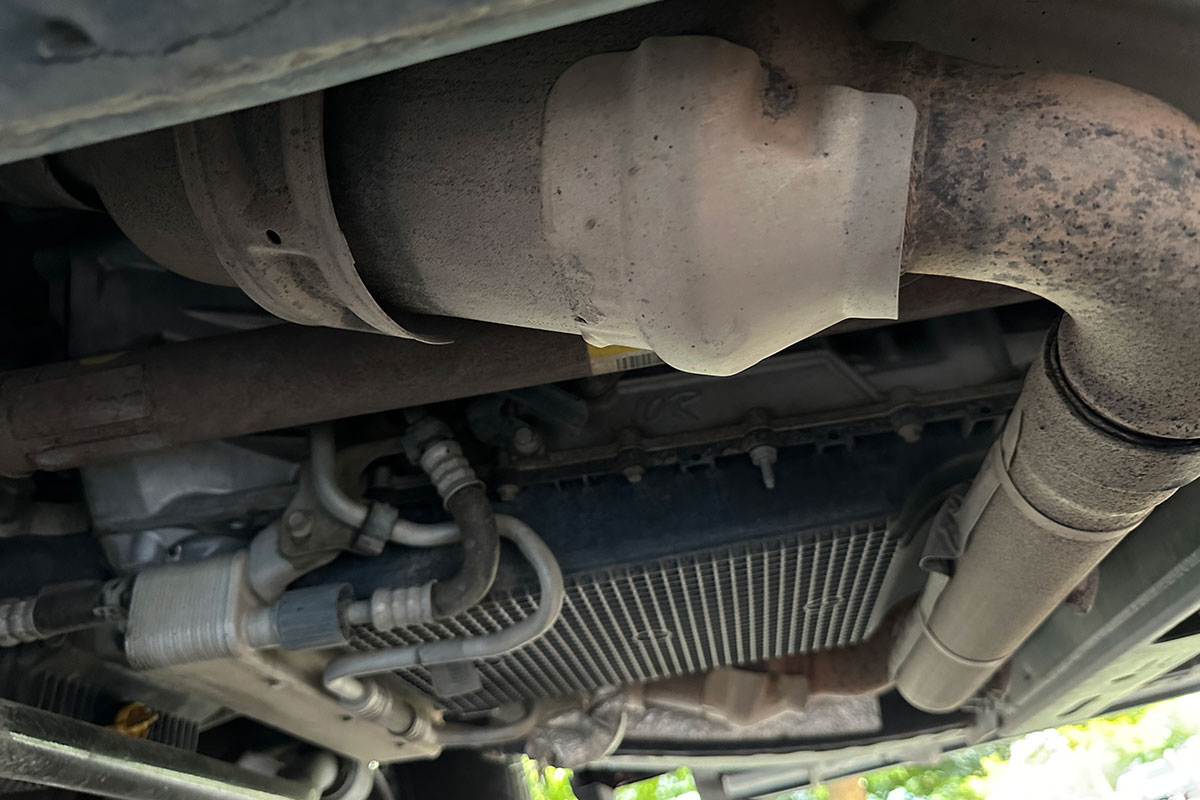
Don’t skip the filter—it’s there for a reason. After draining the fluid and pulling the pan, find the transmission filter on the valve body.
Gently pull the filter down. Some fluid will probably spill, so keep that drain pan handy. If there’s a sealing ring, pry it out carefully with a small screwdriver—don’t scratch the metal.
Press the new filter in place. If you need a new gasket, now’s the time. Reattach the pan, tightening bolts evenly in a crisscross pattern to keep leaks away.
After you’re done, fill the fluid through the dipstick opening using a hand pump. Now you can run the engine and check for leaks. Always take old fluid and filters to a recycling center or auto parts store—don’t just toss them. Taking your time here can save you from headaches and expensive repairs later.

Identifying Signs You Need a Transmission Fluid Change
There are a few telltale signs when your transmission fluid needs attention. Catching them early can keep your F-150 running strong and help you avoid major repairs.
Difficulty Shifting Gears and Other Symptoms
If your F-150 starts having trouble shifting gears, that’s a big red flag. Maybe it hesitates, feels slow moving between gears, or shifts with a jolt. Sometimes, the transmission slips out of gear or just feels off.
If it’s struggling to get into gear or seems stuck, the fluid might be dirty or low. Listen for odd noises—whining or grinding from the transmission area is never good. Ignore these and, well, you might regret it.
Watch for:
- Delayed gear shifts
- Slipping transmission
- Hard or rough shifts
- Weird noises during shifts
Notice any of that? Time for a fluid change.
Visual and Smell Checks for Old Transmission Fluid
In these trucks, getting to the transmission fluid dipstick is not that easy. They didn’t bring it out into the engine compartment for ease of use. To get to it, you need to get under the truck and find the cap nut first on the right side of the transmission, then after you remove the cap you will find a short stubby dipstick in there.

Healthy fluid is bright red and clear—pretty easy to spot.
If it’s dark brown, nearly black, or smells burnt, you’re overdue for a change. That burnt smell means the fluid’s broken down and isn’t protecting your transmission anymore. Bits of grit or metal flakes? Another sign it’s time.
Quick cheat sheet:
| Fluid Color | Condition | Action |
|---|---|---|
| Bright red | Good | No action needed |
| Brown/dark | Old, worn | Change soon |
| Black or burnt* | Very bad | Change immediately, check for damage |
Regular checks can help spot issues before they get worse.
Warning Lights and Diagnostic Alerts
Newer F-150s are pretty smart—they’ll throw warning lights or diagnostic alerts if something’s wrong. If you see the check engine light or a transmission warning pop up, pay attention.
Sometimes you’ll get a specific transmission warning on the dash. If any lights come on, grab a diagnostic tool and read the codes—they’ll usually point you to the problem, whether it’s fluid or something else.
Don’t ignore those alerts. Get a diagnostic or fluid check as soon as you can. It could save you from a much bigger headache down the line.
Choosing the Right Transmission Fluid for Your Ford F-150
Picking the right transmission fluid is a must for smooth shifting and a long-lasting truck. Always use the type Ford recommends and measure carefully—using the wrong stuff can cause all sorts of weird problems and even wear out your transmission faster than you’d think.
Recommended Fluid Types and Specifications
Ford calls for specific transmission fluids based on your F-150’s model year and what kind of transmission you’ve got. For most newer F-150s with automatics, Motorcraft Mercon LV is the go-to. It’s a fully synthetic fluid that works well with the 6-speed and 10-speed transmissions, keeping parts protected and temperatures in check.
If you’ve got an older F-150, you might need Mercon V or another variant—definitely check your owner’s manual before buying anything. Always double-check that the fluid you pick matches Ford’s approval codes.
When you’re shopping for F-150 trans fluid, don’t mix types like conventional and synthetic. Stick with reputable brands—Ford Motorcraft, Valvoline ULV, or any fluid that meets the exact spec.
Transmission Fluid Capacity by Model Year
The amount of transmission fluid your F-150 needs depends on the year and which transmission it has. Most modern trucks with a 6R80 or 10R80 automatic take about 12 to 13 quarts for a full change, but if you’re just doing a drain-and-fill, you’ll usually need 6-8 quarts.
Older F-150s can get by with less. Early 2000s models with a 4R70W or similar transmission often need 6 to 7 quarts for a partial change. Always check the dipstick or owner’s manual after servicing to make sure you’ve got the right fluid level.
Getting the level right matters—a low or overfilled transmission can cause shifting problems or overheating.
Ford F-150 Transmission Fluid Capacity (By Year & Transmission Type)
The total transmission fluid capacity in Ford F-150 includes the fluid in the transmission pan as well as the torque converter. Keep in mind, during a standard fluid change, you may only drain 50–70% of the total fluid.
Here is a quick-reference table with transmission types and their respective fluid capacities by model year:
| Model Years | Transmission Type | Fluid Capacity |
|---|---|---|
| 2011–2020 | 6-Speed Automatic (6R80) | 13.1 quarts (12.4 liters) |
| 2017–2020 | 10-Speed Automatic (10R80) | 13.1 quarts (12.4 liters) |
| 2004–2010 | 4-Speed Automatic (4R75E) | 14.1 quarts (13.4 liters) |
| 2004–2010 | 4-Speed Automatic (4R70E) | 14.1 quarts (13.4 liters) |
| 1997–2003 | 4-Speed Automatic (4R70W) | 14.1 quarts (13.4 liters) |
| 1997–2003 | 4-Speed Automatic (4R100) | 16.2 quarts (15.3 liters) |
These values represent total dry fill capacity. If you’re doing a drain-and-fill service, the actual amount of fluid needed will probably be less.
Special Considerations: Towing, Hauling, and Severe Use
Towing big trailers or hauling heavy loads puts extra stress on your F-150’s transmission. That extra work heats things up, which can break down fluid faster and mean you’ll need to service it more often.
Effects of Towing on Fluid Change Frequency
If you’re using your F-150 for regular towing—think campers, boats, or work trailers—the transmission faces a lot more heat and pressure. Under these conditions, the fluid can wear out faster and lose its protective qualities.
Ford usually suggests changing the transmission fluid more often if you tow a lot. Where normal use might let you go 150,000 miles between changes (though, honestly, that feels like a stretch), towing can cut that interval in half or even more. You might be looking at 30,000 to 60,000 miles instead. Watch for early signs of fluid wear—like weird shifting or a burnt smell—especially if your truck is always working hard.
Shorter change intervals help keep things running cool and smooth, and they can really make a difference in how long your truck lasts.
Adjusting Maintenance for Hauling and Heavy Loads
Hauling heavy stuff in the bed or cargo area puts similar demands on the transmission. Like with towing, carrying a lot of weight heats up the fluid and can make it break down faster.
If you’re always hauling construction gear, landscaping equipment, or anything hefty, treat your fluid as “severe duty.” For this kind of use, it’s smart to change the transmission fluid more often. Key signs that it’s time? Hard shifting, rising transmission temps, or leaks.
To figure out if you need shorter intervals, skim the owner’s manual for “severe service” guidelines. For trucks that haul regularly, changing fluid at or before 60,000 miles is usually a safe bet.
Tips for Prolonging Ford F-150 Transmission Life
Good habits and a little attention go a long way when it comes to keeping your F-150’s transmission happy. It’s the difference between years of smooth driving and a surprise repair bill.
Regular Maintenance and Inspection
Regular checks and fluid changes are the backbone of a healthy Ford transmission. Ford usually says to change the fluid every 30,000 to 60,000 miles, but if you’re towing or stuck in traffic a lot, sooner is better.
Take a look under the truck now and then. Spotting leaks or low fluid early can save you a headache. Transmission fluid should be bright red and clean—not dark or burnt-smelling. If it looks or smells off, it’s probably time for a change.
Keep an eye on the dash, too. Warning lights or rough shifting shouldn’t be ignored. If something feels off, have a trusted mechanic take a look before it turns into a bigger problem.
Common Mistakes to Avoid During Fluid Change
Skipping steps during a transmission fluid change can really mess things up. Using the wrong type of trans fluid? That’s a recipe for trouble—always check Ford’s recommended spec for your F-150. Mixing brands or types tends to cause shifting issues, so it’s smarter to stick with options that actually meet Ford specification.
Don’t overfill or underfill. If the level’s off, you might end up with overheating or slipping. Some newer F-150s don’t even have a dipstick, so you’ll need to follow the manual’s fill procedure to the letter.
Using dirty tools or containers is just asking for headaches. Even a little grit can clog things up. And honestly, don’t skip the filter—changing it with the fluid is a good call if you want to keep debris from causing bigger problems down the road.

Valik loves tinkering in the garage and is currently restoring a 2000 GMC Sierra 1500 truck. He also writes about the progress on this blog. When not in the garage, Valik is also a web developer and a blogger. I know, strange, a hand in two completely different worlds. And that is the way he likes to keep it.


