

The Ford F-150 is one of the most popular pickup trucks in the United States. As a versatile and durable workhorse, F-150 owners wonder how many miles their trucks can reliably last. This article will provide a comprehensive overview of F-150 lifespan and longevity.
The Ford F-150 has built a reputation for being an incredibly dependable and long-lasting pickup. With proper maintenance and care, it is not uncommon for these trucks to reach over 300,000 miles or even higher. However, longevity depends on several factors.
This article will break down everything you need to know about how many miles a Ford F-150 realistically lasts. It covers topics such as:
Engine and Transmission Durability
The powertrain plays a major role in determining Ford F-150 lifespan. Fortunately, Ford trucks are equipped with proven reliable drivetrains.
Owner Maintenance of Ford F-150
Following the proper maintenance schedule outlined in your owner’s manual is vital for maximizing longevity. From oil changes to fluid flushes, staying on top of service is key.
Towing and Payload Impacts
Towing heavy loads places more strain and can impact longevity. Understanding payload limits helps prevent premature wear.
Types of Use
F-150s used primarily as work trucks may not last as many miles as those used more gently under normal driving conditions. We’ll examine use case differences.
By the end, you’ll have a detailed breakdown of approximate mileage ranges you can expect from your F-150 under various conditions.
Engine and Transmission Durability
The engine and transmission are the heartbeat of your F-150. Ford trucks are equipped with proven reliable drivetrains that allow them to achieve impressive mileages.
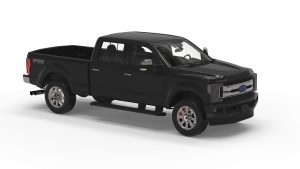
When properly maintained, here are typical mile ranges you can expect from F-150 powertrains:
- 3.5L EcoBoost V6 – Designed for longevity, these turbocharged engines often last between 250,000 to 300,000 miles before needing major overhaul.
- 5.0L “Coyote” V8 – This powerful yet efficient V8 sees lifespan between 200,000 to 250,000 miles.
- 10-Speed Automatic Transmission – Introduced in 2017, this transmission is built to last at least 150,000 to 200,000 miles.
- 6-Speed Automatic Transmission – The 6-speed auto equipped in older F-150s typically lasts 120,000 to 150,000 miles.
Pay attention for signs of transmission slipping or jerky shifting and have fluid flushed per manufacturer specifications. This maximizes durability.
In summary, depending on configuration 150k miles or higher can reasonably be expected from F-150 drivetrains with proper maintenance.
Owner Maintenance
To reach maximum lifespan potential from your Ford truck, diligent owner maintenance is required. Skipping oil changes or fluid flushes places undue strain and can drastically shorten lifespan.
Here are key maintenance tips:
- Follow all factory recommended service intervals – Ford engineers designed these for durability. Don’t deviate from scheduled maintenance milestones.
- Use only recommended fluids and parts – Stick to factory approved oils, coolants, transmission fluids, etc when servicing. Aftermarket or lower grades risk damaging components.
- Inspect key systems – Routinely check on the health of components like brakes, belts, hoses, tires. Catching wear early prevents bigger issues down the road.
Staying vigilant on maintenance equates to better longevity – so don’t cut corners. A little preventative care goes a long way towards hitting high milestones.
Towing and Payload Impacts
While F-150s may be built for toughness, towing and hauling heavy loads does place more strain and wear over time. Understanding realistic payload limits helps prevent premature issues.
Exceeding max tow ratings or payload capacities risks reduced lifespan:
- Towing overcapacity accelerates transmission and engine wear from working harder under load.
- Overloaded beds place more stress on chassis and suspension components, resulting in quicker fatigue.
Consult your door placard and owner’s manual for exact towing and payload specifications tailored for your exact F-150 configuration.
For maximum longevity, operating consistently at or near max rating capacities accelerates wear and will require earlier component rebuilds. Leaving breathing room below your uppermost limits helps extend mileage lifespans.
Types of Use
The usage type of your F-150 also plays a key role in lifespan expectations. Trucks pressed into heavy commercial work day-in-day-out may not achieve as many miles over time compared to gently used personal vehicles.
Here’s a breakdown of different usage types and realistic mile ranges:
Personal/Family Usage
- Primarily used for personal errands, family activities, weekend home projects
- Sees mostly highway miles
- Towing limited to small trailers, boats, ATVs infrequently
- Typical lifespan – 200,000 to 250,000+ miles
Mixed Personal/Commercial Use
- Combination of personal use plus daily work site trips
- Towing larger enclosed trailers, heavy equipment, payloads routinely
- Site usage introduces more dirt/debris, rougher conditions
- Typical lifespan – 150,000 to 200,000 miles
Full Commercial/Fleet Use
- Heavy daily use as dedicated work truck in fields like construction, landscaping
- Loaded close to capacity regularly with tools, materials, payload
- Intense towing applications from job sites
- Higher frequency of minor crashes, dings common
- Typical lifespan 100,000 to 150,000 miles
Clearly, trucks pressed into extreme duty cycles from new will experience faster wear rates and lower overall mileage lifetimes before needing major rebuilds.

Darren takes his 2022 Rivian R1T everywhere. It is his daily driver but also a reward of hard work. He’s been saving up to buy a truck for 4 years and when it came to buying one, he decided to go with an electric one. With all the research under his belt, and the availability issues, he’s decided to go with a Rivian and he’s not looked back. We can all learn a thing or two from his expertise in electric trucks.


