

Upgrading a Ford F-150’s muffler can transform how it sounds and performs on the road. Many owners turn to aftermarket options to unlock a deeper tone, better airflow, and improved efficiency. Aftermarket mufflers can be a smart investment when chosen carefully, offering noticeable performance gains and a more satisfying driving experience.
They also give the truck a distinct sound that reflects personal style—whether that’s a mellow rumble or an aggressive growl. However, not all mufflers deliver the same results. Factors like material quality, fitment, and design play a big role in determining whether the change truly enhances the truck or just adds noise.
Key Takeaways
- Aftermarket mufflers can improve both sound and performance when properly matched to the F-150.
- Quality materials and correct installation ensure long-term reliability.
- Choosing the right design depends on driving habits and personal sound preference.
Your Opinion May Change With Experience
After upgrading the exhaust on my truck, I quickly found out that what I was after doesn’t work with my future goals. I upgraded to a 3″ exhaust with long headers and a basic muffler. In fact I don’t know if there is anything inside the muffler I got. Could be just the shell.
It is just too loud. When driving on the freeway, it can get painfully loud inside the cabin. I wanted a loud exhaust but I didn’t realize how it will affect my experience inside the cab. I will be installing a nice stereo system in this truck but with this much noise, I wont be able to hear it.
Here is a video that includes a clip of what the truck sounds like now. Although from farther away, and idling, you can tell its loud.
So my next step will be to upgrade the muffler to a Flowmaster 40. I did a bunch of research and this is the one I think will sound right for what I want.
What Are Aftermarket Mufflers?
Aftermarket mufflers replace the factory-installed exhaust component to change sound, improve airflow, or enhance performance. Many drivers choose them to fine-tune the tone of their Ford F-150 or to gain modest efficiency improvements without major engine modifications.
Types of Aftermarket Mufflers
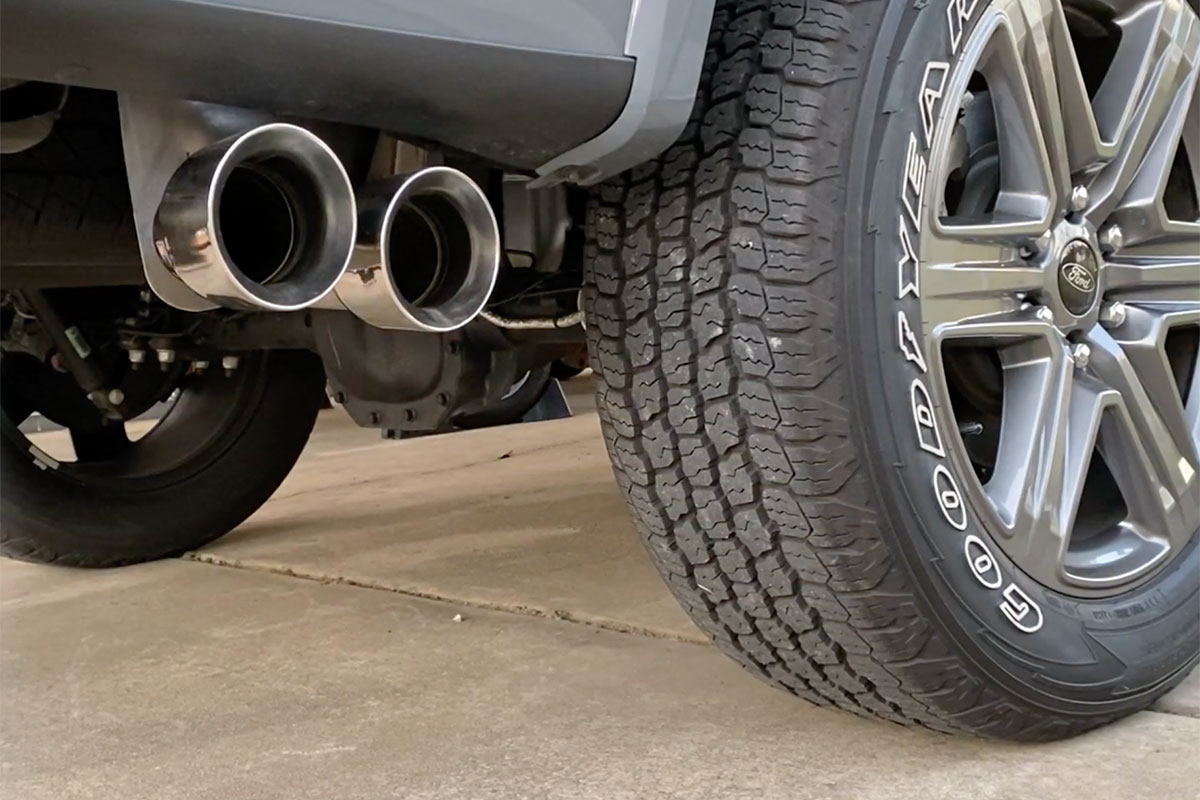
Aftermarket mufflers come in several designs, each offering distinct sound and performance characteristics. Chambered mufflers use internal chambers to reflect sound waves, creating a deep, throaty tone popular among truck owners. Straight-through (glasspack) mufflers feature a perforated tube wrapped in sound-absorbing material, allowing freer exhaust flow for a louder, more aggressive note.
Turbo-style mufflers balance performance and comfort by directing exhaust gases through multiple paths, reducing noise while maintaining good flow. These designs suit drivers who want a refined sound without excessive volume.
Some performance-focused brands also offer resonator-delete options, which remove certain sound-dampening components for a more pronounced exhaust tone. As noted by Pros Plus Cons, enthusiasts often choose these setups to personalize their vehicle’s sound and appearance while maintaining everyday drivability.
How Aftermarket Mufflers Differ from OEM
Original Equipment Manufacturer (OEM) mufflers prioritize comfort, emissions compliance, and durability. They typically use restrictive designs to minimize noise and meet regulatory standards. In contrast, aftermarket mufflers emphasize performance, sound, and customization.
Aftermarket units often feature less restrictive internal pathways, reducing backpressure and improving exhaust flow. This design can help the engine breathe better, potentially increasing horsepower and throttle response. However, the performance gain varies depending on engine type and supporting modifications.
Many aftermarket mufflers use stainless steel or aluminized steel for corrosion resistance and longevity. Some models also allow bolt-on installation, making them easier to fit without cutting or welding. According to Italian Car Shop, the trade-off may include increased cabin noise or reduced compliance with local noise regulations.
Popular Brands for Ford F-150
Ford F-150 owners have a wide range of aftermarket muffler brands to consider. Flowmaster is known for its deep, muscular sound and durable construction. Borla offers premium stainless-steel systems designed for optimal flow and a refined tone. MagnaFlow focuses on smooth, consistent sound with moderate performance gains.
Gibson Performance provides bolt-on kits that fit directly to stock exhausts, appealing to DIY installers. MBRP and Corsa deliver sportier options with aggressive tones and high-flow designs. Each brand offers specific models tuned for different F-150 engines and driving preferences.
Benefits of Installing an Aftermarket Muffler on Your Ford F-150
Upgrading the muffler on a Ford F-150 can change how the truck sounds, performs, and looks. The right aftermarket system can fine-tune exhaust tone, slightly improve efficiency, and give the vehicle a more refined or aggressive appearance depending on the driver’s preference.
Improved Exhaust Sound
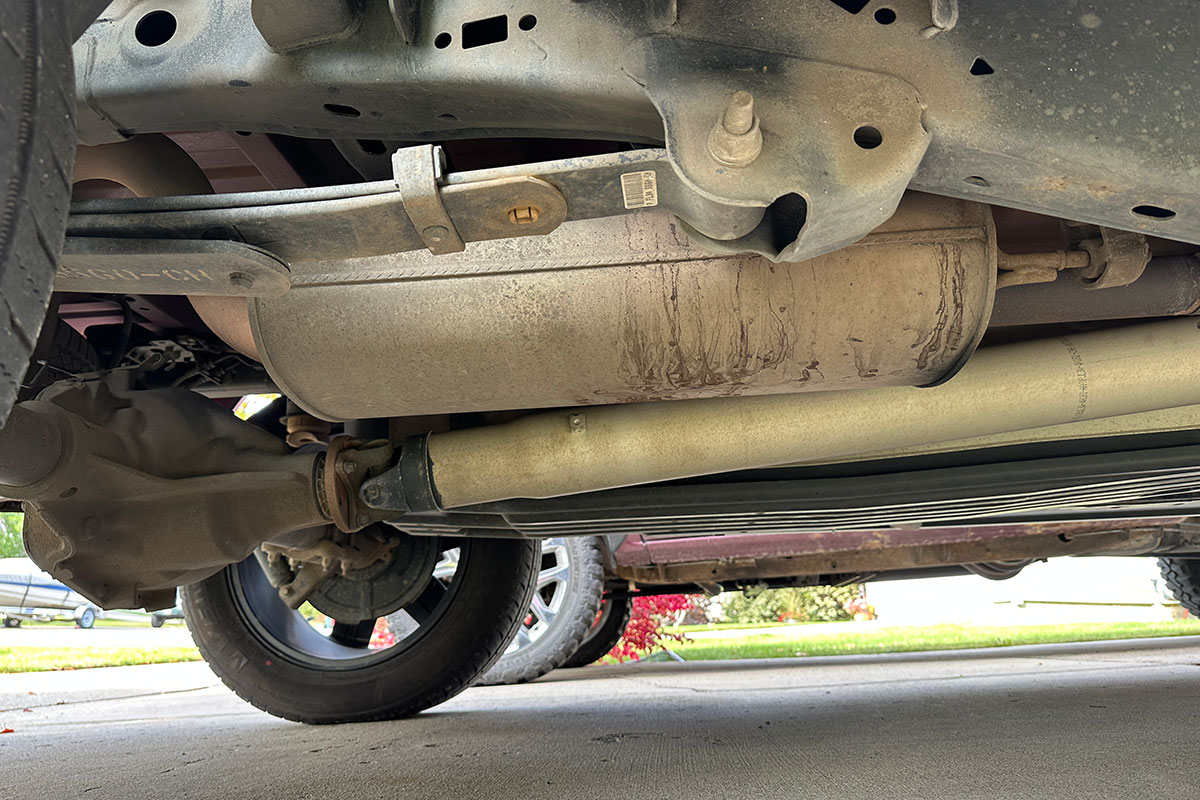
Many F-150 owners choose aftermarket mufflers for the sound. Stock systems often keep noise low, but performance mufflers allow the engine’s tone to stand out. Options range from mellow to aggressive, giving drivers control over how their truck sounds on the road.
According to F150Hub’s performance muffler comparison, tone and interior resonance vary widely among models. Some brands focus on deep, low-frequency notes, while others emphasize a sharper growl.
A well-chosen muffler can reduce drone inside the cabin while enhancing exterior sound. Stainless steel or aluminized steel designs also resist corrosion, keeping the tone consistent over time. For those who want a more distinct presence, aftermarket mufflers provide a practical way to personalize the truck’s character.
Potential Performance Gains
While sound is the most noticeable change, performance can also improve slightly. Aftermarket mufflers often use freer-flowing internal designs that reduce exhaust backpressure. Lower restriction can help the engine expel gases more efficiently, improving throttle response and, in some cases, horsepower or torque.
The AmericanTrucks F150 muffler guide notes that material and design affect both flow and durability. Straight-through or chambered mufflers each balance noise and efficiency differently.
Drivers may not see dramatic power increases, but small improvements in responsiveness or fuel economy can make daily driving smoother. For those towing or hauling, maintaining consistent exhaust flow helps manage engine temperature and performance under load.
Enhanced Aesthetics
An aftermarket muffler can also change how the truck looks. Many systems feature polished tips, rolled edges, or dual-exit designs that complement the F-150’s body lines. These details create a cleaner, more customized appearance.
Manufacturers like B2 Fabrication offer direct-fit systems that align neatly with factory mounts, ensuring a professional finish. Some owners pair muffler upgrades with new exhaust tips for a complete look.
Even subtle visual updates can make the truck stand out without appearing overdone. Combined with improved sound and build quality, the aesthetic upgrade adds both style and value to the vehicle.
Potential Drawbacks of Aftermarket Mufflers
Aftermarket mufflers can change how a Ford F-150 performs, sounds, and looks. However, they may also affect warranty coverage, interior noise levels, and compliance with local noise and emissions laws. Understanding these issues helps owners make an informed choice before upgrading.
Possible Warranty Issues
Installing an aftermarket muffler can raise questions about warranty coverage. If the modification directly causes a problem—such as damage to the exhaust sensors or catalytic converter—dealers may deny related warranty claims.
Under the Magnuson-Moss Warranty Act, manufacturers must prove the aftermarket part caused the failure. Still, owners often face delays or disputes when trying to resolve these claims.
Some aftermarket exhaust systems require cutting or welding, which can make it easier for a dealer to argue that the modification affected factory components. Using bolt-on systems designed for the F-150 can help reduce these risks.
Drivers who plan to keep their truck under warranty should confirm coverage details with their dealer before installation. Keeping receipts and documentation from the muffler manufacturer can also make future claims smoother.
Increased Cabin Noise
A louder exhaust note appeals to many truck owners, but it can also increase cabin noise. Aftermarket mufflers often use less restrictive designs that allow more sound to pass through.
Inside the cab, this can lead to drone—a low-frequency vibration that becomes noticeable at highway speeds. Over time, this constant hum can cause fatigue on long drives.
Some performance mufflers use resonators or sound-canceling chambers to reduce interior noise. Choosing one of these designs can help balance performance with comfort.
According to CarShtuff, excessive noise is one of the most common complaints among drivers who install new exhaust systems. Testing sound levels before final installation can prevent unwanted surprises.
Legal and Emissions Considerations
Noise and emissions regulations vary by state and city. Many areas set specific decibel limits for exhaust systems, and exceeding them can result in fines or inspection failures.
Some aftermarket mufflers remove or bypass factory components that help control emissions. This can make the truck noncompliant with EPA or state standards.
Websites like Automotive Auctions note that ignoring these rules can lead to costly repairs or penalties. California, for example, enforces strict CARB certification requirements for all aftermarket exhaust parts.
Before making changes, owners should verify that the muffler meets local noise and emissions laws. Keeping the stock system on hand can make it easier to switch back if regulations tighten later.
How to Choose the Right Aftermarket Muffler for Your Ford F-150
Selecting the right muffler depends on how the driver balances performance, sound, and cost. Material quality affects durability and corrosion resistance, while proper fitment ensures smooth installation and compliance with emissions standards. Budget also shapes the range of available options, from affordable aluminized steel to premium stainless steel systems.
Material and Build Quality
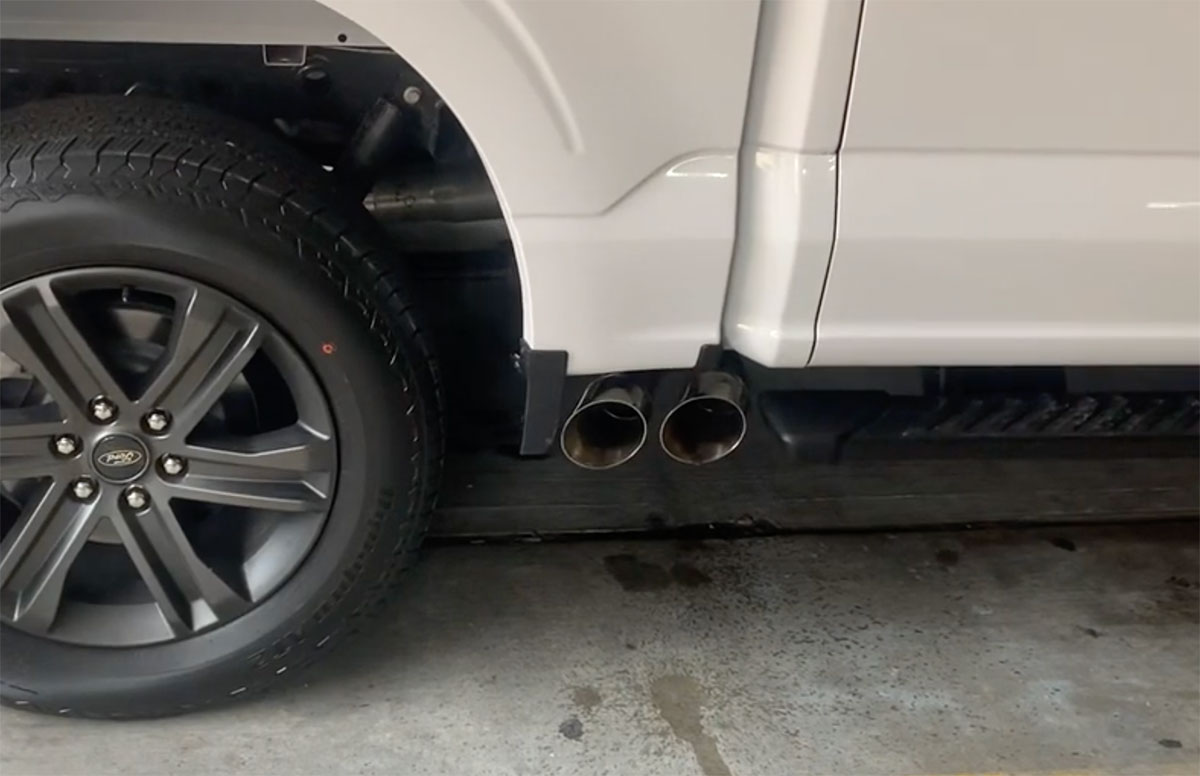
Mufflers come in several materials, each with unique benefits. Stainless steel resists rust and lasts longest, making it ideal for drivers in humid or snowy climates. Aluminized steel offers a lower-cost alternative with moderate corrosion resistance. Some performance models use titanium for its light weight, though it’s usually reserved for high-end builds.
Construction methods also matter. Welded seams typically outlast crimped joints, and thicker gauge metal reduces vibration fatigue. Internally, straight-through designs improve airflow and horsepower, while chambered versions emphasize tone control. According to DNA Mufflers, material selection and internal design both influence performance and longevity.
Drivers who frequently tow or off-road should choose a muffler built to handle heat and debris. A protective coating or polished finish can further extend lifespan, especially in harsh environments.
Fitment and Compatibility
A muffler must match the truck’s engine size, model year, and exhaust configuration. Even small differences in pipe diameter or hanger placement can cause poor alignment or leaks. Many manufacturers, such as B2 Fabrication, offer direct-fit systems for specific F-150 generations to simplify installation.
Drivers should verify whether their truck uses a single or dual exhaust layout. Some aftermarket kits include all necessary clamps and adapters, while others require welding. Checking local noise and emissions regulations ensures compliance, especially for louder performance mufflers.
Fitment also affects performance. A properly matched muffler maintains backpressure balance, preserving torque and fuel efficiency. Poorly fitted systems can trigger check engine lights or reduce power output.
Budget Considerations
Aftermarket mufflers range from under $100 to over $1,000, depending on material and brand. Aluminized steel models are cost-effective but may need replacement sooner. Stainless steel versions cost more upfront but often last the life of the vehicle, reducing long-term expenses.
Drivers should consider total system cost, not just the muffler. Installation, clamps, and potential tuning add to the final price.
A simple comparison can help:
| Material Type | Typical Price Range | Durability | Ideal Use |
|---|---|---|---|
| Aluminized Steel | $80–$250 | Moderate | Budget builds, mild climates |
| Stainless Steel | $250–$700 | High | Long-term reliability |
| Titanium | $700+ | Very High | Performance-focused builds |
Choosing based on long-term value instead of initial cost helps ensure satisfaction and reliability.
Installation Tips for Ford F-150 Owners
Proper installation affects how well an aftermarket muffler performs and how long it lasts. Careful planning, the right tools, and avoiding common errors help ensure a secure fit and a clean finish.
DIY vs Professional Installation
Many Ford F-150 owners install their own exhaust systems to save on labor costs. DIY installation can work well for those with mechanical experience, access to tools, and a safe workspace. Following step-by-step guides such as this Instructables muffler installation walkthrough helps visualize the process.
However, professional installation ensures correct alignment, torque, and sealing. Shops often have lifts that make it easier to access the undercarriage. They can also handle stubborn factory bolts and rusted hangers that might slow down a home project.
A good rule of thumb: if welding or cutting is required, professional service is safer. For bolt-on systems like the Roush Cat Back Side Exit Exhaust, a confident DIYer can complete the job with basic tools and patience.
Required Tools and Equipment
Installing a muffler or full exhaust system requires a few essential items. Basic tools include:
| Tool | Purpose |
|---|---|
| Ratchet set & sockets | Remove and tighten exhaust clamps |
| Penetrating oil | Loosen rusted bolts |
| Jack stands or ramps | Safely elevate the truck |
| Rubber mallet | Adjust pipe alignment |
| Exhaust hanger pliers | Remove and install hangers |
Safety gear such as gloves and eye protection prevents injury during cutting or grinding. A torque wrench ensures clamps and bolts are tightened to manufacturer specifications.
Some owners use a saw or pipe cutter when removing the old exhaust. For systems that don’t require welding, like those shown in this no-weld replacement guide, simple hand tools are often enough.
Common Installation Mistakes
Improper alignment and loose connections top the list of frequent issues. A misaligned pipe can cause rattling or exhaust leaks, reducing performance and creating unwanted noise.
Skipping the use of new gaskets or clamps leads to poor sealing. Always check that hangers support the exhaust evenly and that no section touches the frame or suspension.
Another common mistake is over-tightening bolts, which can deform pipes or crack joints. Guides like AmericanTrucks’ exhaust installation tips highlight how uneven torque or missing hardware can cause vibration or premature wear.
Taking time to double-check fitment and clearances prevents costly rework later.
Maintenance and Longevity of Aftermarket Mufflers
Regular attention helps aftermarket mufflers perform quietly and last longer. Proper inspection, cleaning, and care prevent corrosion, maintain exhaust flow, and reduce the chance of early failure.
Routine Inspection Advice
Drivers should check their mufflers every few months or during oil changes. Look for rust, cracks, or loose mounts that could cause rattling or leaks. Even small holes can grow quickly, especially in humid or salty environments.
A flashlight and a simple undercarriage check often reveal early signs of wear. If the muffler shows heavy rust or water dripping from seams, replacement may be near. According to Walker Exhaust Systems, exposure to road salt and moisture significantly shortens system life.
Mechanics recommend inspecting clamps, hangers, and joints to make sure they remain tight. Loose fittings can stress welds and lead to exhaust misalignment. When caught early, tightening or replacing small parts can extend the muffler’s lifespan by years.
Cleaning and Care Tips
Keeping the muffler clean helps prevent corrosion and buildup. Washing the undercarriage after driving on salted or muddy roads removes debris that traps moisture. A mild detergent and low-pressure water are usually enough for routine cleaning.
For drivers in coastal or snowy regions, applying a high-temperature anti-rust spray can slow oxidation. Some aftermarket models use stainless steel, which resists rust better than mild steel, but still benefits from periodic care.
A quick monthly rinse during winter helps maintain airflow and appearance. As noted by ShunAuto, consistent washing reduces corrosive effects on the exhaust system. Simple habits like these keep an aftermarket muffler performing efficiently for many years.
Real-World Experiences from Ford F-150 Owners
Owners of the Ford F-150 often share how aftermarket mufflers affect their trucks’ sound, performance, and day-to-day driving. Their experiences reveal how different brands and setups influence both short-term driving enjoyment and long-term satisfaction.
Performance Feedback
Many drivers report noticeable changes in throttle response and tone after installing aftermarket mufflers. For example, some who replaced the stock muffler with a Borla or MagnaFlow unit found improved exhaust flow and a deeper, more defined sound. On the Ford F150 Forum, users note that even partial upgrades—keeping the stock piping but swapping the muffler—can make the truck feel livelier.
A few owners prefer keeping the resonator to avoid excessive cabin drone. Others choose dual tailpipe setups with Ford Racing Raptor tips, which give a sportier tone without major performance trade-offs.
Tests from F150 Hub show that louder mufflers often produce a throatier growl but may not add measurable horsepower. Still, drivers value the improved exhaust note, describing it as more “authentic” to the truck’s V8 or EcoBoost character.
Long-Term Satisfaction
Over time, satisfaction depends on how well the muffler balances sound quality and comfort. Many F-150 owners who installed aftermarket systems like MBRP or B2 Fabrication report that the upgrades hold up well and resist corrosion, especially in regions with harsh winters.
According to AmericanTrucks, stainless-steel construction and direct-fit designs reduce maintenance and ensure consistent tone over years of use.
Some drivers later revert to quieter options after extended highway driving, citing fatigue from louder systems. Others remain pleased, appreciating the custom sound that distinguishes their truck from stock models. Regular cleaning and proper installation appear to extend muffler life and maintain sound consistency.

Aaron is a seasoned truck enthusiast that loves to go on back country camping and hiking trips. He owns a tricked out off-road 2018 Toyota Tacoma pickup and loves to spend crazy amounts of money on upgrades and customizations. He doesn’t have any kids or pets, but his Toyota is his baby. When Aaron is not out in the boonies, he lives in Bothell, WA with his wife Tracy and runs a small outdoor supplies store. He writes for TruckPowered blog in his free time and loves talking about trucks any time he is given a chance.


