

Few things are more frustrating than walking out to a Ford F-150 that refuses to start after sitting overnight. It’s a common issue that can happen even with newer models, leaving owners wondering what’s quietly draining their battery. The most common causes include parasitic electrical draws, aging batteries, or charging system faults that keep the battery from maintaining a full charge.
Understanding why this happens helps prevent future headaches. Modern trucks have complex electrical systems that keep running even after the ignition is off—features like keyless entry, infotainment systems, and onboard computers can all contribute to a slow drain. Identifying which system is responsible can save time, money, and unnecessary part replacements.
By learning how to spot early signs of battery drain and taking simple maintenance steps, F-150 owners can keep their trucks reliable and ready to go. Knowing when to troubleshoot at home and when to call a professional makes all the difference.
Key Takeaways
- Battery drain often comes from hidden electrical draws or charging issues.
- Regular checks and simple maintenance prevent most power loss problems.
- Recognizing warning signs early helps avoid unexpected breakdowns.
The Real World Battery Draw
With the modern gadgets and features in a car, there will be some battery draw going on when the car is turned off. Especially if you have a car alarm or a remote start. That blue light you see blinking on your dash is drawing power from the battery. It is inevitable and these days almost impossible to stop the draw. The trick is to have a battery that can take the abuse. It should be strong enough to feed whatever needs power when the car is off and then also be able to start the car when you need to drive it.
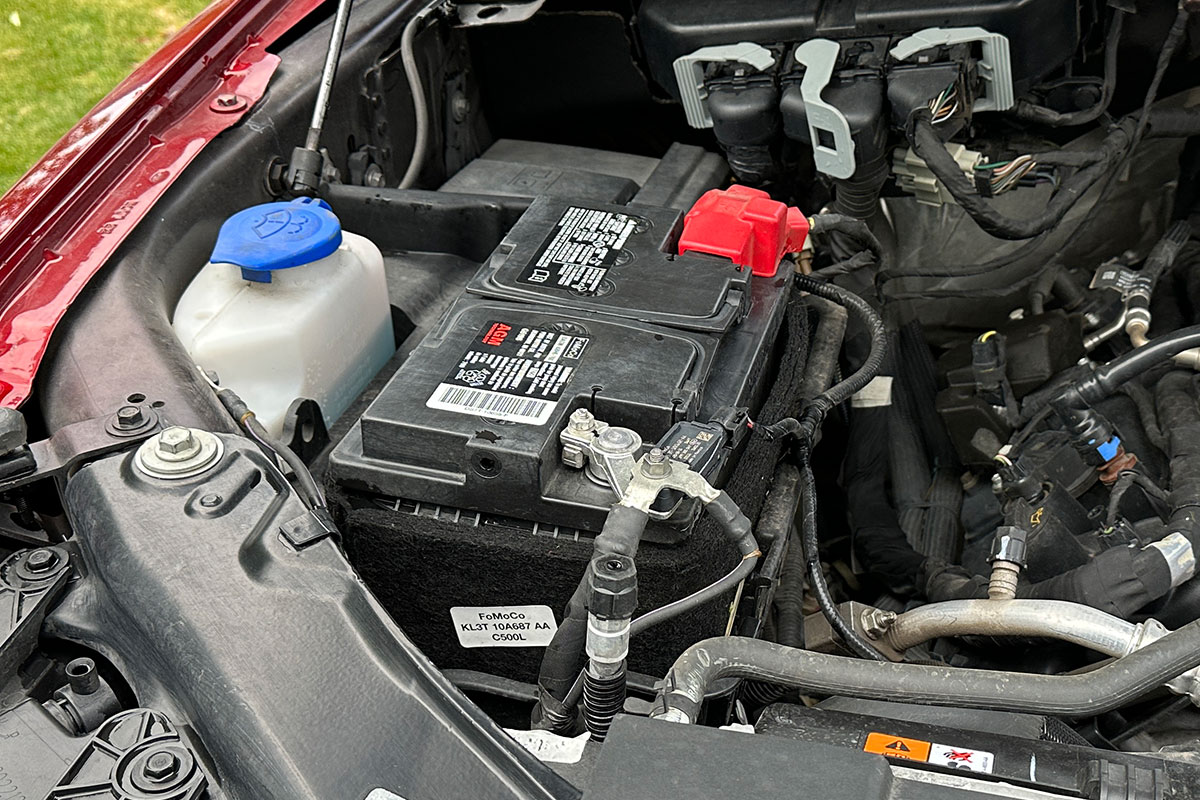
Older batteries will struggle doing this sometimes. I myself just recently had to replace my battery. My truck has a remote start and a car alarm so they do draw power when the truck is off, but I am sure there are more things pulling power that I don’t even know about. When the weather got colder, the battery started to struggle. Replacing it with a nice new one from Costco did the job. Now it has no problem in the mornings.
Common Causes of Ford F-150 Battery Drain
Battery drain in a Ford F-150 often traces back to hidden electrical issues, aging components, or charging system faults. Identifying the exact cause helps prevent repeated dead batteries and unnecessary replacements.
Parasitic Draws
A parasitic draw happens when electrical components continue using power after the truck is turned off. Even small drains can deplete the battery overnight if left unchecked. Common culprits include interior lights, aftermarket alarms, and infotainment modules.
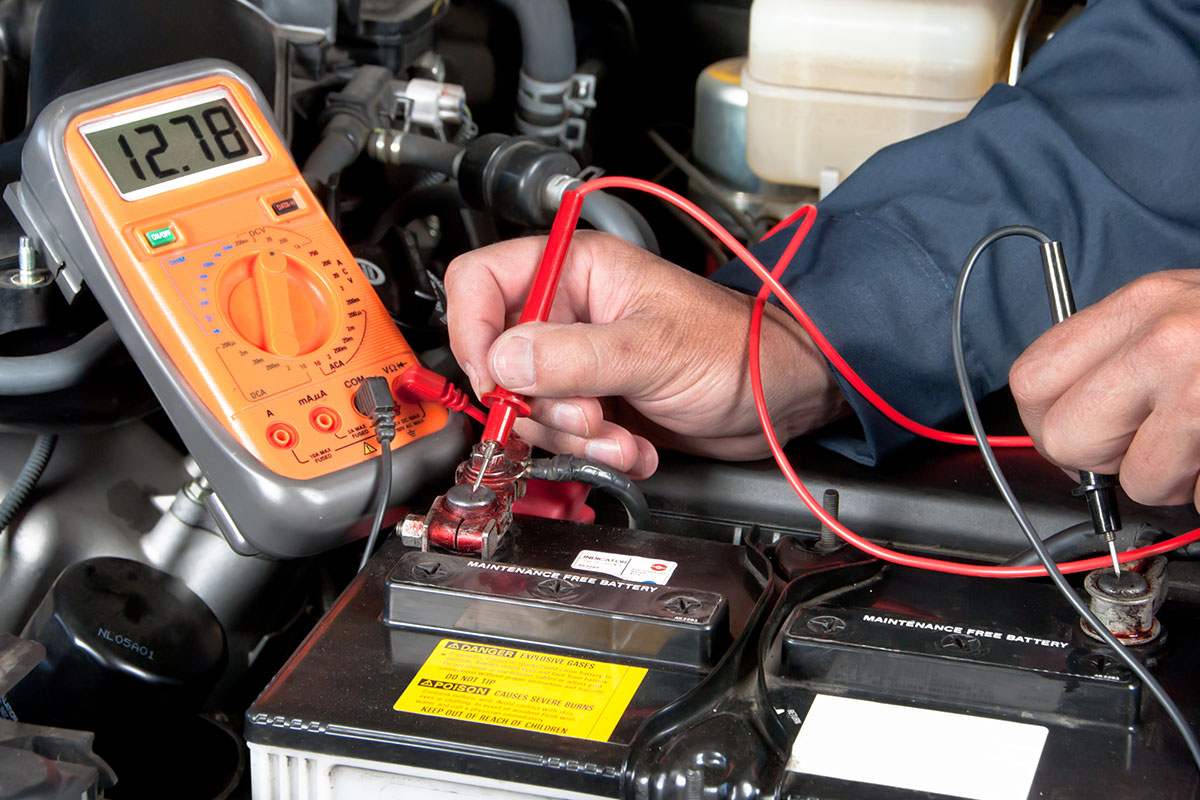
Technicians often measure parasitic draw using a multimeter. A normal draw should stay below 50 milliamps. Anything higher points to a problem circuit. According to DIYCarExpert, isolating the issue involves pulling fuses one by one until the current drops to normal.
Owners sometimes find that accessories plugged into USB ports or OBD-II devices cause the drain. Disconnecting these items when parked can help. Regularly checking for software updates may also prevent modules from staying awake longer than intended.
Faulty Alternator
A weak or failing alternator prevents the battery from charging properly while driving. When the alternator’s diodes fail, it can even allow current to flow backward, draining the battery when the engine is off.
Symptoms include dim headlights, flickering interior lights, or a battery warning light on the dashboard. The truck may also stall or struggle to start after short trips. Testing alternator output with a voltmeter should show 13.5 to 14.7 volts while running.
If voltage readings fall below this range, the alternator likely needs replacement. As noted by 700R4 Transmission HQ, a faulty alternator is one of the most frequent causes of unexplained battery drain in F-150s.
Old or Weak Battery
Even without electrical faults, an aging battery can lose charge quickly. Most truck batteries last three to five years, depending on climate and usage. Corroded terminals or loose connections can worsen the problem by restricting current flow.
Drivers may notice slower cranking or dim lights before complete failure. A load test can confirm battery health. If the voltage drops below 12.4 volts after sitting overnight, replacement is usually necessary.
Cold weather accelerates deterioration, especially in older F-150s that make short trips. Regular maintenance, including cleaning terminals and checking fluid levels, helps extend battery life and prevent false drain symptoms.
Electrical System Malfunctions
Modern F-150s contain numerous modules that manage lighting, climate control, and infotainment. When one of these modules malfunctions, it can stay active after shutdown and draw power continuously. Faulty wiring or a defective relay can also cause intermittent drains.
According to Ford Truck Enthusiasts Forums, issues like a stuck relay or malfunctioning gear shifter assembly often lead to overnight battery loss. Some 2011–2014 models even experience drains linked to the gear shift indicator light staying on.
Diagnosing these issues may require professional tools to scan for fault codes or monitor current flow. Replacing the faulty module or relay usually resolves the problem and restores normal battery performance.
Diagnosing Battery Drain Issues
Identifying the cause of a battery drain requires checking for hidden electrical draws, verifying the battery’s condition, and ensuring the charging system works as intended. Each area provides clues that help pinpoint whether the problem lies in the vehicle’s components, wiring, or maintenance habits.
Testing for Parasitic Draw
A parasitic draw occurs when electrical components continue using power after the ignition is off. To test for this, they can connect a digital multimeter in series with the negative battery cable and measure current flow. A reading above 50 milliamps often indicates excessive drain, as noted in DIYCarExpert’s guide on Ford battery drainage.
Technicians then remove fuses one by one until the current drops to normal. The circuit responsible for the drop likely contains the faulty component. Common culprits include interior lights, aftermarket accessories, or malfunctioning modules.
It helps to wait several minutes before testing since some systems take time to enter sleep mode. Recording readings and fuse locations makes troubleshooting faster and prevents confusion later.
Inspecting Battery Health
Even if the electrical system checks out, a weak or aging battery can mimic a parasitic drain. Using a battery load tester or a conductance tester reveals whether the battery holds a charge under stress. If voltage drops below 12.4 volts at rest, it may not have enough reserve capacity for reliable starts.
Technicians often inspect the terminals for corrosion and ensure the cables fit tightly. Loose or dirty connections can cause intermittent power loss that appears as a drain.
If the battery repeatedly dies despite proper charging, it may have internal sulfation or cell damage. Many Ford owners on forums such as the Ford Truck Enthusiasts community report that replacing old batteries resolved recurring drain symptoms.
Checking Charging System
A healthy alternator and voltage regulator keep the battery charged while driving. When either fails, the battery must supply all electrical power, leading to rapid depletion. Testing alternator output with a multimeter should show 13.5–14.8 volts at idle.
Low readings point to a weak alternator, while high readings suggest a faulty regulator. As explained in Fairway Ford Ohio’s overview of charging issues, both conditions can shorten battery life.
Inspecting the serpentine belt, pulleys, and wiring harness ensures consistent alternator performance. Technicians should also verify that the battery temperature sensor and voltage sense wire function properly to maintain balanced charging.
Electrical Components That May Drain Your Battery
Electrical systems in the Ford F-150 often stay active even when the truck is off. Components such as aftermarket electronics, lighting circuits, and infotainment modules can continue drawing power, leading to a parasitic drain that weakens the battery over time.
Aftermarket Accessories
Aftermarket devices like dash cams, alarm systems, or auxiliary lighting can create hidden power draws. These items sometimes connect directly to the battery or fuse box without proper power management. When wired incorrectly, they may stay energized after the ignition is off.
Owners who install accessories should ensure they use switched power sources that turn off with the vehicle. Adding a relay or fuse tap can help isolate the circuit. Technicians often use a multimeter to detect current flow exceeding 50 milliamps, which indicates an unwanted draw.
Some Ford F-150 battery drain issues have been traced to aftermarket equipment that bypasses factory sleep modes. Removing or rewiring these components usually restores normal battery performance and prevents premature failure.
Interior and Exterior Lights
Lights left on are one of the most common reasons for an overnight drain. Dome lights, glove box lights, or even a stuck brake light switch can keep drawing current when the truck is parked.
The F-150’s approach lighting and bed lights may also stay active if a sensor or module malfunctions. Checking for illumination after locking the vehicle helps identify this simple but frequent cause.
According to Fairway Ford Ohio, even small bulbs can drain a battery if they remain on for long periods. Inspecting each circuit and confirming automatic shutoff features work correctly can prevent unnecessary discharge.
Infotainment System
The infotainment system uses several modules that communicate with the truck’s computer network. If a software glitch prevents the system from entering sleep mode, it can continue to pull power overnight.
Navigation updates, Bluetooth pairing, or USB devices left plugged in may also keep the system awake. Performing a soft reset or updating the firmware often resolves this issue.
As noted by DIYCarExpert, testing for parasitic draw with a multimeter helps confirm whether the infotainment system is the culprit. Ensuring all connected devices shut down properly reduces strain on the 12V battery and extends its lifespan.
Environmental and Usage Factors
Weather conditions and driving habits can significantly influence how long a Ford F-150 battery lasts. Temperature extremes and frequent short trips often limit the battery’s ability to maintain a full charge, leading to faster wear and reduced performance.
Extreme Temperatures
Both hot and cold weather affect battery chemistry. In high heat, electrolyte fluid can evaporate, increasing internal corrosion and reducing capacity. In freezing conditions, the chemical reactions slow, making it harder for the battery to deliver power.
Drivers in very hot or cold regions should inspect battery terminals for corrosion and ensure the battery is securely mounted. Loose connections can amplify temperature-related stress.
A battery blanket or thermal cover helps maintain a stable temperature. Parking in shaded or enclosed areas also reduces exposure to extreme heat or cold.
According to Ford F-150 owners, newer trucks with advanced electronics are more sensitive to temperature swings, as modules and sensors continue drawing small amounts of power even when parked. Regular testing during seasonal changes helps detect early signs of weakness before failure occurs.
Short Driving Trips
Frequent short drives prevent the alternator from fully recharging the battery. The engine may run only long enough to start and power accessories, leaving the battery slightly depleted each time. Over days or weeks, this partial charge cycle causes sulfation, a buildup on the lead plates that reduces capacity.
To counter this, they can take longer drives at least once a week or use a battery maintainer when the truck sits for extended periods.
As discussed in Ford Truck Enthusiasts Forums, some owners found that irregular use or frequent short errands led to recurring drain issues even with a new battery. Consistent, longer trips or periodic charging can extend battery life and prevent unexpected no-start situations.
Preventive Maintenance Tips
Regular maintenance helps reduce the chance of unexpected battery drain. Keeping the truck’s electrical system in good condition ensures reliable starts and fewer surprises.
1. Drive Regularly
Short trips may not give the alternator enough time to recharge the battery. They should take the truck for a longer drive at least once a week.
2. Check for Parasitic Draws
A small but constant electrical drain can slowly discharge the battery. Using a multimeter to measure current draw can help identify hidden issues, as discussed in Ford F150 battery draining diagnosis.
3. Inspect and Clean Terminals
Corrosion on terminals can block proper charging. They should clean the posts with a mixture of baking soda and water, then tighten the connections.
4. Keep Software Updated
Modern F-150s rely on electronic modules that sometimes fail to shut down properly. Updating vehicle software can help prevent this, as noted by owners in battery drain issue discussions.
5. Disconnect Accessories When Parked
Aftermarket lights, chargers, or dash cams can continue drawing power. Unplugging or wiring them to an ignition-controlled circuit helps conserve battery life.
| Maintenance Task | Frequency | Benefit |
|---|---|---|
| Battery terminal cleaning | Every 3 months | Improves charging efficiency |
| Software updates | As released | Reduces electronic drain |
| Voltage check | Monthly | Detects weak batteries early |
When to Seek Professional Help
If the truck still loses charge after checking lights, accessories, and fuses, it may be time to call a certified technician. Persistent drain issues often involve complex electrical faults that require diagnostic tools most owners don’t have.
Warning signs that need expert attention:
- The battery dies overnight even after replacement
- Warning messages like “Low 12V Battery” or “Deep Sleep Mode Activated”
- The alternator or charging system shows inconsistent voltage readings
Professionals can perform a parasitic draw test to identify hidden current drains. This test isolates circuits and measures power loss while the vehicle is off. According to discussions on the Ford Truck Enthusiasts Forum, many owners solved chronic drain problems only after a technician pinpointed faulty modules or sensors.
If the truck is still under warranty, scheduling a visit with a Ford dealer can prevent unnecessary expenses. Dealers can check for software updates or recalls related to battery drain issues in newer F-150 models.
| Situation | Recommended Action |
|---|---|
| Battery replaced but still drains | Have a parasitic draw test done |
| Alternator output fluctuates | Request a charging system inspection |
| Vehicle enters deep sleep repeatedly | Ask dealer to check for software or module faults |
Getting help early prevents repeated battery failures and ensures the truck’s electrical system stays reliable.

Aaron is a seasoned truck enthusiast that loves to go on back country camping and hiking trips. He owns a tricked out off-road 2018 Toyota Tacoma pickup and loves to spend crazy amounts of money on upgrades and customizations. He doesn’t have any kids or pets, but his Toyota is his baby. When Aaron is not out in the boonies, he lives in Bothell, WA with his wife Tracy and runs a small outdoor supplies store. He writes for TruckPowered blog in his free time and loves talking about trucks any time he is given a chance.


