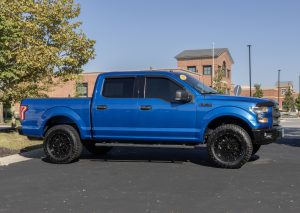
If you want to keep your Ford F-150’s windshield clear, you’ll need the right wiper blade size. Ford’s changed things up over the years—sometimes the driver and passenger sides match, sometimes they don’t, and using the wrong size can mean streaks, missed spots, or just money down the drain. Most F-150s from 2009 through 2024 use 22-inch blades on both sides, but older models bounce between 15, 18, and 20 inches depending on the year.
Having the exact size for your truck’s year makes replacement a breeze. No more guessing in the parts aisle or wrestling with blades that almost fit but not quite. A clear year-by-year guide means you get it right the first time, save yourself some hassle, and stay safer on the road.
This guide breaks down sizes year by year so any F-150 owner can find the right fit without any guesswork.
Key Takeaways
- Wiper blade sizes change across F-150 model years
- A clear chart makes it easy to match the right fit
- Proper blades improve visibility and safety
Ford F-150 Windshield Wiper Sizes by Model Year

Depending on the year, the F-150 uses different wiper blade sizes. Some years stick with 15-inch blades, others jump up to 22 inches, and those changes usually go hand-in-hand with a new body style or windshield shape. Picking the right size actually matters—a lot.
Wiper Blade Sizes for 2020s Ford F-150
From 2020 through 2024, the F-150 sticks with 22-inch wiper blades on both sides. That’s true for every trim, whether it’s the regular gas model or the hybrid in the 14th generation.
With both sides the same, replacement is about as simple as it gets. No double-checking or mix-ups, just grab two of the same size and you’re set.
The 2021 redesign brought new tech and safety features, but Ford didn’t mess with the wiper size. Even the F-150 Lightning electric truck uses 22-inch blades.
Quick reference (2020–2025):
- Driver side: 22″
- Passenger side: 22″
Wiper Blade Sizes for 2010s Ford F-150
For 2010–2019, it’s also 22-inch wiper blades on both sides. This covers the 12th and 13th generations, including when Ford switched to aluminum body panels in 2015.
Even with those changes, the wiper size stayed the same. If you drive a 2010–2019 truck, you can buy the same replacement blades every year and not worry about it.
Uniform sizing makes life easier at the parts counter and keeps you from accidentally picking up the wrong ones.
Quick reference (2010–2019):
- Driver side: 22″
- Passenger side: 22″
Wiper Blade Sizes for 2000s Ford F-150
From 2000 to 2008, the F-150 uses 20-inch wiper blades on both the driver and passenger sides. This didn’t change until 2009, when Ford bumped the size up to 22 inches with the 12th generation redesign.
So, if you have a 2000–2008 model, stick with 20-inch blades. Anything longer can rub against the trim or just not work right.
Quick reference (2000–2008):
- Driver side: 20″
- Passenger side: 20″
2009:
- Driver side: 22″
- Passenger side: 22″
Wiper Blade Sizes for 1990s Ford F-150
For 1990–1996, you’re looking at 18-inch wiper blades on both sides. Then in 1997, Ford went up to 22 inches—but only for that year. In 1998 and 1999, they dropped back down to 20-inch blades.
This decade’s all over the place with blade sizes, so it’s worth double-checking your specific year before buying. Wrong size? You’ll miss spots or the blades might not even fit.
Quick reference (1990–1999):
- 1990–1996: 18″ driver, 18″ passenger
- 1997: 22″ driver, 22″ passenger
- 1998–1999: 20″ driver, 20″ passenger
Wiper Blade Size Chart for Ford F-150

Blade sizes on the F-150 have changed a fair bit since the late 1970s. As body styles and windshields evolved, so did the wiper blades. The right size means better fit and clearer vision, especially when the weather turns ugly.
| Model Years | Driver Side | Passenger Side | Notes |
|---|---|---|---|
| 2020–2025 | 22″ | 22″ | Same size across trims, including hybrid & Lightning |
| 2010–2019 | 22″ | 22″ | Covers 12th & 13th gens; aluminum body started 2015 |
| 2000–2008 | 20″ | 20″ | Switched to 22″ in 2009 redesign |
| 2009 | 22″ | 22″ | Start of 12th generation |
| 1990–1996 | 18″ | 18″ | Uniform through these years |
| 1997 | 22″ | 22″ | One-year change |
| 1998–1999 | 20″ | 20″ | Dropped back down after 1997 |
Driver Side Wiper Blade Size
The driver side blade has bounced from 15 inches to 22 inches over the years. Trucks from 1975–1979 used 15-inch blades, then the 1980s through mid-1990s went with 18-inch blades.
In 1997, Ford jumped to 22 inches, which mostly stuck through 2024. There are a few exceptions—trucks built from 2000–2007 usually used 20-inch blades before switching back to 22 inches.
Quick reference for driver side blades:
- 1975–1979: 15″
- 1980–1996: 18″
- 1997: 22″
- 1998–2007: 20″
- 2008–2024: 22″
Passenger Side Wiper Blade Size
The passenger side blade usually matches the driver side. Early models from 1975–1979 used 15-inch, then 1980–1996 switched to 18-inch blades.
Since 1997, most have gone with 22 inches, except for 2000–2007 (that’s the 20-inch era). Having the same length on both sides just makes things easier.
Quick reference for passenger side blades:
- 1975–1979: 15″
- 1980–1996: 18″
- 1997: 22″
- 1998–2007: 20″
- 2008–2024: 22″
Ford F-150 Wiper Blade Fitment by Generation
The F-150’s wiper blade sizes have shifted with each new generation—usually when Ford changes up the body or windshield. Getting the fit right means better visibility and less hassle when it’s time to swap them out.
Seventh Generation (2009-2014)
Between 2009 and 2014, both the driver and passenger sides use 22-inch wiper blades. Every trim, every body style—no exceptions.
Having both sides the same just keeps things simple. You can’t really mess it up at the parts store.
People often recommend the Bosch ICON 22A or similar beam-style blades for this generation. They hug the windshield better than the old-school frame-style ones, especially when it’s pouring or snowing. And if your truck has rain-sensing wipers (some higher trims do), keeping your blades fresh is even more important.
Twelfth Generation (2015-2020)
From 2015 to 2020, it’s still 22-inch blades for both driver and passenger positions. Doesn’t matter if you’ve got the XL, XLT, Lariat, King Ranch, or Platinum—same size across the board.
Even though Ford switched to an aluminum body, they didn’t mess with the windshield or wiper setup. You can use the same blades every year.
Popular aftermarket picks are Bosch ICON 22A, Rain-X Latitude, and Motorcraft OEM blades. Most folks go for beam-style blades—they just seem to last longer and leave fewer streaks.
Swapping them out every 6–12 months is smart, especially if you get a lot of snow or heat. Old rubber just doesn’t clear as well, and nobody wants to find that out in a downpour.
Thirteenth Generation (2021-Present)
Starting in 2021, the Ford F-150 kept the 22-inch driver and passenger blades. This goes for both gas and hybrid models—XL, Lariat, Tremor, Limited, you name it.
The PowerBoost hybrid didn’t change the windshield at all, so wiper fitment stayed the same. If you’re upgrading from the previous generation, you won’t have to hunt for a new size.
Ford packed this generation with more tech, like lane-keeping and adaptive cruise. That means keeping the windshield clean is even more important for all those sensors and cameras.
For replacements, the usual suspects—Bosch ICON, Rain-X Latitude, or OEM Motorcraft blades—still get the job done. They handle whatever weather gets thrown your way.
Choosing the Correct Wiper Blades for Your Ford F-150
Getting the right wiper blades for your F-150? It mostly comes down to knowing your size, picking a brand you trust, and deciding if you want factory or aftermarket parts. Each choice can change how well they fit and hold up in different weather.

How to Identify the Right Wiper Blade Size
Wiper blade sizes jump around depending on the year. Most F-150s from 2015 through 2024 use 22-inch blades for both sides. Older trucks might need 20-inch or 18-inch blades. If you grab the wrong size, expect streaks or missed spots—sometimes even a bent wiper arm if you’re unlucky.
Here’s how to double-check your size:
- Owner’s manual: The factory size will be in there.
- Online size charts: Plenty of sites break it down by year.
- Measuring your blade: Just use a tape measure if you’re stuck.
Swapping both blades at once is smart. If one’s worn out and the other isn’t, you’ll just end up with uneven wiping and probably shorten the life of your new blade.
Popular Wiper Blade Brands for Ford F-150
Some brands just work better with the F-150. Bosch ICON gets a lot of praise for its beam-style design, which is solid in rain and snow. Rain-X Latitude is another go-to—its water-repelling tech can be a lifesaver in a downpour.
Other solid options:
- Motorcraft (Ford’s own, usually at dealerships)
- Michelin Stealth Ultra (hybrid style, pretty tough)
- Trico Exact Fit (easy to install, no fuss)
Your pick will depend on your budget and local weather. Beam-style blades usually last longer and hold up better if things get rough, but traditional frame blades are cheaper and wear out faster. It’s a trade-off.
OEM vs Aftermarket Wiper Blades
OEM (Original Equipment Manufacturer) blades match the F-150’s factory specs. They’re a safe bet for fit and reliability. Motorcraft is Ford’s OEM supplier, and plenty of owners stick with them just for peace of mind.
Aftermarket blades can offer more variety—sometimes better tech, too. Bosch ICON, for example, might last longer than OEM in tough weather. Still, not all aftermarket brands are equal, so it’s worth checking reviews and fitment guides first.
Honestly, both OEM and top-tier aftermarket blades get the job done. It comes down to whether you want the original fit or you’re after a few extra features.
Installation and Maintenance Tips for Ford F-150 Wiper Blades
Keeping your F-150’s wiper blades in shape means better visibility and safer driving, whether it’s rain, snow, or just dusty roads. Swapping them out on time helps dodge streaks, squeaks, and windshield scratches.
How to Replace Ford F-150 Wiper Blades
Changing F-150 wiper blades? It’s pretty straightforward—no fancy tools needed. First, pull the wiper arm away from the glass until it stands up on its own. That keeps it from snapping back and cracking the windshield.
Most F-150s use a hook-style connector. Press the release tab, slide off the old blade, and then hook the new one on until it clicks. Give it a gentle tug to make sure it’s really locked in. Lower the arm back down gently. Do the same for the other side.
For most recent F-150s (2015–2024), you’ll need 22-inch blades for both sides. Older trucks might be different, so always double-check before you buy.
Signs Your Wiper Blades Need Replacement
Wiper blades usually last 6 to 12 months, but that depends on your driving and the weather. If you notice streaking, skipping, or squeaking, it’s probably time for new ones. That’s a sign the rubber is worn out or getting stiff.
If the blades leave a greasy or hazy film on the windshield, visibility takes a hit—never good in heavy rain.
Take a look at the blades now and then. If the rubber’s cracked, split, or peeling away, swap them out as soon as you can.
Sun, salt, and road debris all wear blades down faster. It’s worth checking them during oil changes or whenever you’re under the hood, just to stay ahead of any surprises.
Factors Affecting Wiper Blade Performance on Ford F-150
How well your F-150’s wiper blades work really depends on your local weather and what the blades are made of. Both can change how clearly you see and how often you’ll need a new set.
Climate and Weather
Hot, sunny areas dry out rubber blades fast, leaving them cracked or brittle. Cold climates, on the other hand, put blades through the wringer with ice and snow—sometimes the wiper motor feels it too.
If you’re somewhere rainy, you’ll want blades that keep even pressure across the whole windshield. Uneven wiping in a downpour? That’s a recipe for bad visibility. And if you’ve got salty winter roads, that can chew up the rubber even quicker.
Regular checks help. If you’re driving in tough weather, plan on swapping blades more often than someone in a dry, mild climate. Just look for cracks, fraying, or if the blade feels stiff. Better to catch it early than get caught in a storm with lousy wipers.
Wiper Blade Material Types
Wiper blade material really shapes how well your blades last and perform. Standard rubber blades are everywhere, mostly because they’re cheap, but honestly, they don’t hold up as well if you’re stuck in blazing summers or freezing winters. Silicone blades are pricier, but they shrug off cracks and usually glide across the glass with less noise.
Then there are blended rubber compounds. These try to split the difference—costs less than silicone, lasts longer than basic rubber. If you’re dealing with unpredictable weather, they’re worth considering.
For the Ford F-150, it kind of comes down to what you’re up against:
- Rubber: great for mild weather, easy on the wallet.
- Silicone: holds up in tough conditions, lasts longer.
- Blended: sits comfortably in the middle for folks who see a bit of everything.

Valik loves tinkering in the garage and is currently restoring a 2000 GMC Sierra 1500 truck. He also writes about the progress on this blog. When not in the garage, Valik is also a web developer and a blogger. I know, strange, a hand in two completely different worlds. And that is the way he likes to keep it.