Measuring a truck bed might seem simple, but getting it right is key to finding the perfect fit for accessories like bed covers and liners. Accurate measurements ensure you avoid costly mistakes when purchasing these items. Using only basic tools like a tape measure, anyone can determine the correct dimensions quickly and easily.
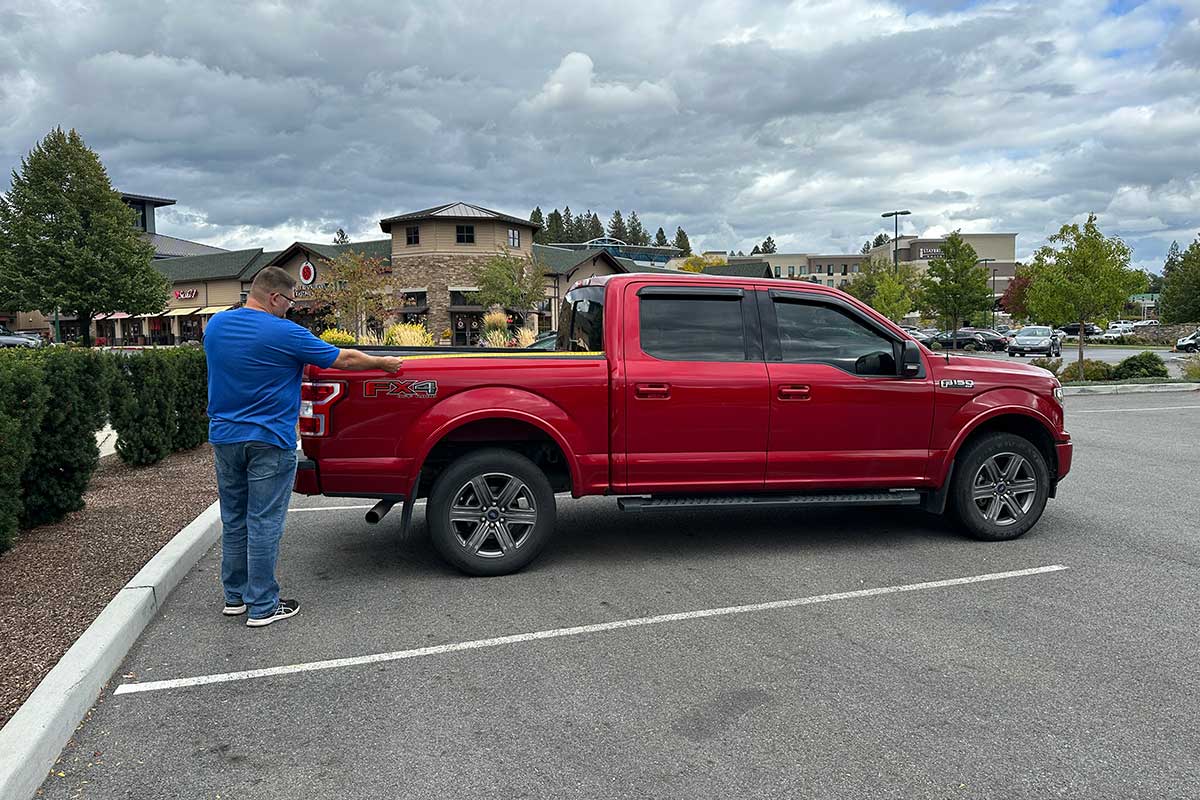
To measure a truck bed, the individual should start by finding the inside edge of the bulkhead at the front of the bed and then measure straight along the floor to the inside edge of the closed tailgate. This length will give a clear understanding of the bed’s size, which is crucial for accessories to fit properly.
Truck bed width can also be measured across the tailgate or the widest part of the bed. Knowing these dimensions will help with selecting products that enhance the truck’s functionality and appearance. With this straightforward information, finding the right truck bed accessories becomes a hassle-free experience.
Truck Bed Volume Calculator
Calculate the bed volume of your truck by entering the bed dimensions into the calculator below. You can also deduct the wheel wells from the total volume by clicking the checkbox.
Truck Bed Volume Calculator
Before You Measure, What You Will Need
Before beginning to measure a truck bed, gather the necessary tools and equipment to make the process smooth and accurate. Here’s a list of items you might need:
- Measuring Tape: A long and flexible measuring tape is essential for taking precise measurements. Ensure it can stretch across the entire length and width of the truck bed.
- Clipboard or Notepad: Recording the measurements will help keep track of the dimensions and avoid confusion later.
- Pen or Pencil: Useful for jotting down measurements quickly and efficiently.
- Straight Edge: A level or straight edge can help check for any uneven surfaces or height differences in the truck bed.
- Helper: If possible, have someone assist to hold the tape measure in place for more accurate results.
Prepare the truck by removing any objects or debris from the bed to ensure accurate readings. Clear visibility of the bed’s interior helps in obtaining more precise measurements.
By assembling these tools ahead of time, the measurement process will be efficient and hassle-free.
Measuring The Bed Length
Measuring the bed length of a truck is important for various accessories like toppers or bed liners. Start by gathering a tape measure, which is essential for accuracy.

Follow these steps:
- Locate Reference Points
Measure from the inside of the bulkhead (right behind the cab) to the inside edge of the tailgate. This is the primary dimension for most truck accessories. - Record the Measurement
Write down the measurement in feet or inches. Manufacturers may advertise lengths, but it’s good to confirm the actual size for a perfect fit. - Check Manufacturer’s Specs
While these steps cover the basics, it can be helpful to check the truck’s manual for recommended measurement practices or sizes typical for short, standard, or long beds.
Using these simple steps ensures that accessories fit properly and function as intended. Accessories such as bed covers or liners depend on precise measurements to avoid costly mistakes.
Measuring The Bed Width
To measure the width of a truck bed accurately, one should start by opening the tailgate. This provides a clear view and access to the interior of the truck bed.

Use a measuring tape. Place the tape at the interior edge where the tailgate connects with one side of the truck bed wall.
Extend the measuring tape directly across to the opposite side’s interior edge. This measurement reveals the exact width of the truck bed.
If there are wheel wells inside the bed, measure the distance between them as well. It’s useful for anyone planning to fit accessories that must lay flat or snugly against the bed surface.
For accessories like crossover toolboxes, factor in the measurement between the bed rails. These measurements ensure that such tools fit properly across the bed.
Keeping these measurements handy assists in ordering accessories that fit well and complement the vehicle’s design. This measurement process is simple but crucial for making informed purchasing decisions.
Measuring The Bed Depth
To measure the depth of a truck bed, it’s essential to have a tape measure handy.

First, place one end of the tape measure on the floor of the truck bed.
Then, extend the tape measure straight up to the top edge of the bed’s sidewall.
The reading that you get is the bed depth.
This measurement helps in determining what kind of items can fit in the truck bed, and is important for ordering accessories, like bed liners.
Note: If the truck bed has any modifications, like a bed liner or an installed rail, take measurements from the floor to the top edge, ensuring any protrusions don’t interfere with accuracy.
Keep in mind that different trucks may have unique features affecting depth, such as wheel wells. Measure without any obstructions for the clearest result.
Calculating The Volume
To determine the volume of a truck bed, start by measuring the length, width, and depth of the bed. It’s important to measure these in inches for accuracy. Record each measurement. If the truck bed has an irregular shape, break it down into smaller, regular shapes like rectangles or triangles.
For a rectangular bed, multiply the length, width, and depth together. This gives you the volume in cubic inches. Divide by 1,728 to convert cubic inches to cubic feet. Use this formula:
[ {Volume in cubic inches} = {Length} X {Width} X {Depth} ]
[ {Volume in cubic feet} = {Cubic inches}/{1,728} ]
For irregular shapes, find the volume of each section separately. Then, add these volumes together for the total truck bed volume.
Consider any features like wheel wells. They take up space and need to be subtracted from the total volume. Taking accurate measurements and performing careful calculations is key to obtaining an accurate estimate of the truck bed volume. This ensures the space is used effectively for transporting materials.
Calculating The Square Footage
To find the square footage of a truck bed, it’s important to measure both length and width accurately. Measurements should be taken in inches for precision.
First, measure the length along the center of the truck bed. This means measuring from the end of the bed to the front wall. It’s crucial to measure straight down the middle to get the most accurate length.
Next, measure the width of the truck bed. This should be done from one side to the other, ensuring the tape measure stays level.
With both measurements on hand, calculating the square footage involves a simple formula:
[{Square Footage} = {{Length} X {Width}}/{144} ]
Here’s an example: If a truck bed is 60 inches wide and 80 inches long, multiply these numbers to find the area in square inches:
[ 60 X 80 = 4800 square inches ]
Then, divide by 144 to convert to square feet:
[ 4800/144 = 33.33 square feet ]
This formula is easy, but take care to ensure all measurements are accurate. Accurate measurements ensure the calculation is correct and useful for planning. Adjust lengths as needed for any custom features or designs.
Measuring The Bed For A Bed Cover
When preparing to measure a truck bed for a cover, always start with the right tools. A tape measure is essential. Make sure it is long enough to cover the length of the bed, ideally 8-10 feet.
Step 1: Measure the Length
- Lower the tailgate.
- Begin measuring from the inside edge at the rear of the cab (bulkhead).
- Extend the tape measure to the inside edge of the tailgate.
Step 2: Measure the Width
- Place the tape measure on the interior edge where one sidewall meets the tailgate.
- Stretch it across to the opposite sidewall’s interior edge.
- If there are wheel wells, measure between them if needed for certain accessories.
Double-check all measurements to ensure accuracy. It’s more efficient to invest extra time in this step than ending up with a cover that doesn’t fit properly.
Using precise measurements will help when purchasing various bed accessories like a tonneau cover or bed mat.
Measuring The Bed For A Bed Liner
Measuring your truck bed for a bed liner is crucial for a perfect fit. Begin by noting the length of the truck bed.
To measure the length, place a measuring tape at the inside edge of the tailgate. Stretch it straight to the interior edge of the bed across from the tailgate.
Next, measure the width of the bed. Start at one sidewall and measure straight across to the opposite sidewall. If the bed has pronounced wheel wells, measure the distance between the wells as well.
Here’s a simple checklist for measuring:
- Length: Tailgate to opposite end
- Width: Sidewall to sidewall
- Wheel Wells: Distance between them
With these measurements, you can confidently choose the right bed liner, ensuring it fits snugly. Having precise numbers reduces the risk of ordering the wrong size and saves both time and money.
Measuring The Bed To Calculate Spray Bed Liner Requirement
To measure a truck bed for a spray bed liner, start by gathering a measuring tape. Accurate measurement ensures proper liner coverage.
Measurements Needed:
- Length: Measure from the bulkhead to the tailgate.
- Width: Measure from side to side, inside the bed.
- Depth: Measure from the bed floor to the top of the walls.
Each measurement should be taken in inches for accuracy.
Once these dimensions are recorded, convert them to feet. Use the formula:
[ {Area in square feet} = {{Length (inches)} X {Width (inches)}}/144 ]
Knowing the area helps determine the amount of liner needed. Generally, a standard spray-on bed liner for a 6-foot truck bed is about 65 square feet.
Thickness Consideration:
- Bed liners are usually applied at about 63 mils thickness.
For more specific needs, a coverage calculator can be utilized. This ensures the liner is thick enough to protect the truck bed without wasting material. Multiple coats might be required for enhanced durability over time.
Measuring The Bed For A Toolbox
When measuring a truck bed for a toolbox, focus on specific dimensions to ensure a proper fit.
Step 1: Measure the Height of the Rails
Begin by measuring the height of the truck bed rails. This ensures that the toolbox does not interfere with the opening or closing of the bed cover.
Step 2: Determine the Width Between Rails
Use a tape measure to find the distance between the inside edges of the two rails. This width is crucial for choosing the right toolbox size.
Step 3: Measure the Bed Length
Find the length from the inside edge of the bulkhead (the front part of the bed) to the inside edge of the tailgate. This measurement helps in selecting a toolbox that fits well without reducing usable space.
Essential Tips:
- The toolbox should have at least 1.5 inches resting on each side of the truck bed rails.
- Ensure that the box’s overall width doesn’t exceed the bed’s rail width to avoid installation issues.
Table for Quick Reference:
| Measurement | What to Measure | Purpose |
|---|---|---|
| Rail Height | From rail base to top | Allow cover to function |
| Width | Inside edge to inside edge | Proper toolbox fit |
| Length | Bulkhead to tailgate | Choose correct size |
Measuring The Bed For A Camper
Measuring a truck bed for a camper is important to ensure a good fit. Precision is key. Small mistakes can lead to problems later.
Steps to Measure:
- Length: Measure from the inside of the bulkhead to the inside of the tailgate. This gives the true length of the truck bed.
- Width: Measure between the inside walls of the truck bed. This should be done at the front, middle, and back to check for any differences.
- Height: Measure the height from the truck bed floor to the top of the bed rail. This helps in assessing camper clearance.
When measuring, use a flexible tape measure. It ensures accuracy and can be easily maneuvered around the truck bed.
Creating a simple table, similar to the one below, can help organize these measurements:
| Measurement | Value |
|---|---|
| Length | x inches |
| Front Width | x inches |
| Middle Width | x inches |
| Back Width | x inches |
| Height | x inches |
Tips:
- Check for obstacles: Consider anything inside the truck bed that might interfere, such as tie-downs or bed liners.
- Record accurately: Writing down exact measurements ensures no detail is overlooked.
- Recheck measurements: Double-check all measurements for accuracy before making any purchases.
Measuring The Bed For A Bed Tent
To set up a bed tent on a truck, knowing the correct measurements is important. Start with the width. Measure from the inside edge of one sidewall to the inside edge of the other. This ensures the tent fits snugly along the width of the truck bed.
Next, focus on the length. Measure from where the bed meets the cab to the end of the tailgate. This captures the full span needed for the tent’s base. If wheel wells are present, note their position as this may impact the tent’s placement.
Consider any accessories or features. Items like bed liners or rail caps can affect the measurement. It’s important these are accounted for to avoid any fitting issues when placing the tent.
Using the right tools, like a well-marked tape measure, helps achieve precision. Accuracy ensures the tent aligns well with the truck bed, providing a secure setup.
Here’s a quick list:
- Measure the width: Inside-to-inside of sidewalls.
- Measure the length: From cab to tailgate inside.
- Consider wheel wells.
- Account for accessories like liners or caps.
Measuring The Bed For A Bed Extender
To measure a truck bed for a bed extender, a tape measure is the best tool. Begin by measuring the length from the edge of the bed extender to the opposite end of the truck bed. Make sure to place the measuring tape straight to avoid errors.
Next, measure the width of the bed. Start from one sidewall’s interior edge and measure across to the other sidewall’s interior edge. If there are wheel wells, take a measurement between them. This is important if the extender sits inside the wells.
For accuracy, record each measurement. Double-checking is advised to minimize mistakes. Using a paper or digital note can help organize these dimensions.
Understanding the different types of bed extenders, such as those that fold out or up, can impact these measurements. Check the extender’s specifications to match your bed dimensions.
Knowing these dimensions helps in selecting the proper bed extender to maximize space. It also avoids paying for fittings that would not attach correctly, ensuring efficient use of space.
Make these measurements regularly. As materials expand or contract with weather changes, confirm measurements if you’re considering new or replacement accessories.
Measuring The Bed For A 5th Wheel Hitch
To measure a truck bed for a 5th wheel hitch, several key dimensions must be taken into account. Proper measurements ensure safe installation and operation. Here’s how to get started:
Make sure the truck is on a flat surface. This is crucial for getting accurate measurements. Park the truck securely and ensure it’s stable.
Start by measuring the distance from the back of the cab to the rear axle. This is important because it helps determine if your truck can handle the 5th wheel hitch, especially for short-bed trucks.
Next, measure from the inside edge of one side of the truck bed to the other. This tells you the width available for installing the hitch. Accuracy here prevents improper installations that can lead to accidents.
Measure the height from the bed surface to the top edge of the truck bed. Knowing this height helps in choosing the right hitch, ensuring it fits properly and functions smoothly.
Consider measuring any protruding parts like bed liners or toolboxes since they may affect installation space. It is important to account for these obstructions.
Finally, for short-bed trucks, it is advised to consider a sliding hitch. This option avoids cab contact and allows smoother turns, enhancing overall towing safety.
Measuring The Bed For A Salt Spreader
To measure a truck bed for a salt spreader, it’s important to follow clear steps.
Length and Width
Use a tape measure to find the truck bed’s length and width. Measure the length from the back of the cab to the inside edge of the tailgate. For the width, measure the distance between the two side edges at the widest point.
Height of the Bed Rails
Determine the height from the floor of the truck bed to the top of the bed rails. This helps in ensuring the spreader fits correctly without hitting or overlapping with the rails.
Gate Clearance
Check the height and width of the tailgate area. This ensures that the salt spreader doesn’t obstruct the gate or open and close motions. If the spreader has additional features or requires extra space, consider this in your measurements.
Fit Based on Specs
Compare the collected measurements with the salt spreader’s specifications. Make sure there is enough clearance on all sides to accommodate the spreader, accounting for any curves or bumps present in the bed’s structure.
Accurate measurements ensure an optimal fit for the salt spreader and help avoid buying incompatible models. Proper fitting aids in safe operation and extends the lifespan of the equipment.
Special Considerations
Measuring a truck bed isn’t just about getting basic width and length figures. It’s important to consider specific features like bed liners and wheel wells, which can impact how measurements should be taken and how accessories will fit.
Bed Liners and Caps
When measuring a truck bed, having a bed liner can change the internal dimensions slightly. This is crucial for anyone planning to add components such as bed covers or storage units. Bed liners often add a layer, making the bed’s width and length a bit less than expected.
Pay close attention to any caps or rail covers, as they might extend over the edges. The extra materials of a liner usually vary in thickness, which may seem minor but can throw off measurements enough to affect accessory fit.
Some trucks have factory-installed rail caps. Measure from inside the caps to get an accurate sense of available space. Always double-check these areas when taking measurements for parts like tonneau covers or custom equipment.
Wheel Wells and Contours
Truck beds with pronounced wheel wells need special attention. The wells create natural contours that may interfere with accessories that need to lay flat or fit across the entire bed width. Accurate measurement is essential when planning to install items like a camper shell.
Measure from the narrowest point between the wheel wells for accessories that must span this distance. When looking at measurements for the full bed, consider these indentations’ effect on space.
These contours are especially important for storage solutions that require a more consistent surface. Recognize these shapes when looking at measurements to anticipate how they will engage with your intended truck accessories.
Common Bed Sizes
Truck beds come in a few standard sizes. Each size serves different purposes and needs.
Short Bed: Usually under 6 feet. This bed size is great for city driving and tight spaces.
Standard Bed: Typically ranges from 6.5 to 7 feet. It offers a good balance of cargo space without making the truck too hard to maneuver.
Long Bed: Generally 8 feet or more. Ideal for those who need to haul large items or use their truck for work.
These sizes can vary slightly depending on the manufacturer and truck model. It’s important to check specific dimensions for your vehicle.
The table can help you get a quick overview of the common sizes:
| Bed Type | Typical Length |
|---|---|
| Short Bed | < 6 feet |
| Standard Bed | 6.5 – 7 feet |
| Long Bed | 8 feet or more |
Each bed size may come with unique features or add-ons. Tailor your choice to suit your driving needs and preferences.
Here is a list of common truck models and their respective bed sizes, including short, standard, and long beds. This should give you a nice quick reference.
| Truck Model | Short Bed | Standard Bed | Long Bed |
|---|---|---|---|
| Ford F-150 | 5.5 ft | 6.5 ft | 8 ft |
| Chevrolet Silverado 1500 | 5.8 ft | 6.6 ft | 8.2 ft |
| Ram 1500 | 5.7 ft | 6.4 ft | 8 ft |
| Toyota Tacoma | 5 ft | 6 ft | Not Available |
| Nissan Frontier | 5 ft | 6.1 ft | Not Available |
| GMC Sierra 1500 | 5.8 ft | 6.6 ft | 8.2 ft |
| Toyota Tundra | 5.5 ft | 6.5 ft | 8.1 ft |
| Honda Ridgeline | 5.3 ft | Not Available | Not Available |
| Chevrolet Colorado | 5.1 ft | 6.2 ft | Not Available |
| Ford Ranger | 5 ft | 6 ft | Not Available |
Conclusion
Measuring a truck bed requires some simple tools and careful steps. Start by using a tape measure to find the length from the interior of the tailgate to the inside of the truck bed wall.
Next, measure the width between the sidewalls, especially if there are features like wheel wells. This helps in choosing the right accessories, such as bed liners or tonneau covers.
Ensure measurement accuracy by holding the tape measure straight and firm. Checking these dimensions allows for a better fit for any truck bed accessories.
This process helps maintain the truck’s function and protects cargo, which is essential for everyday use. Paying attention to details like the bed rails is also important for avoiding issues later on.

Valik loves tinkering in the garage and is currently restoring a 2000 GMC Sierra 1500 truck. He also writes about the progress on this blog. When not in the garage, Valik is also a web developer and a blogger. I know, strange, a hand in two completely different worlds. And that is the way he likes to keep it.